
Construction Site on Mayo Boulevard
For three years the story about Phoenix apartments was that the city had built too many of them. Deliveries kept landing, concessions kept widening, rents kept sliding. That story is ending. What replaces it is slower and harder to see, and this month a piece of it showed up in a budget line for a hospital campus in north Phoenix.
A Project That Keeps Outgrowing Itself
Mayo Clinic has been expanding the same stretch of land near 56th Street and Mayo Boulevard for years. The current phase was announced in March 2025 at nearly $1.9 billion, adds 1.2 million square feet, and runs until 2031. The Phoenix Business Journal puts the current figure at $2.2 billion.
For anyone who owns rental property in that part of the valley, the budget is not the interesting number. The interesting number is 3,500. That is how many permanent jobs Mayo says the finished campus will support, concentrated in a few square miles, filled by people who need somewhere to live within a reasonable drive of work.
Renters Are Catching Up to the Builders
The glut is shrinking, but it is not gone. Phoenix absorbed more apartments in the first nine months of 2026 than in any full year on record, according to Cushman & Wakefield, while builders finished fewer units last quarter than in any quarter in six years. Even so, roughly one in ten apartments sits empty, down from 12.1% a year ago but still in double digits.
What has not happened is a rent increase. The average asking rent in Phoenix is $1,535, still slightly below where it sat a year ago, per CoStar data cited by Kidder Mathews, and thousands of units remain under construction. Roughly six in ten listings are still offering free rent or another move-in deal, Rental Beast reported.
That gap is the story. Filling an apartment and pricing it are two different problems. The second one gets solved by paychecks, which is why a single employer committing to thousands of them in one location is worth more attention than another quarter of slowing construction.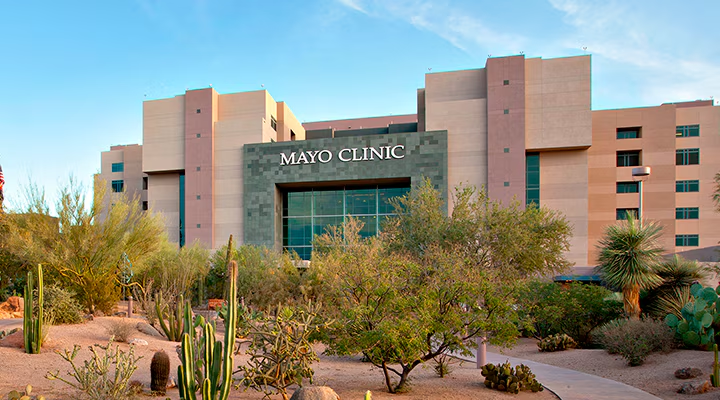
Why Healthcare, and Why Here
Arizona's job growth has narrowed to a few industries, and healthcare is doing most of the lifting. In September the state added 22,700 jobs, with the Phoenix area accounting for more than the statewide total on its own, meaning other parts of Arizona shed workers. Private education and health services led the metro, per an Eller Economic and Business Research Center analysis summarized by AZ Big Media.
The catch is patience. These jobs phase in over five years, not next spring. Mayo's own profits got thinner last quarter, with expenses growing faster than revenue, and a budget that has grown once can grow again. Nobody should underwrite a building today on a hiring plan that finishes in 2031.
The Bigger Picture
What a commitment like this actually tells you is which way the ground is tilting. Phoenix is still working through its building boom, but deliveries are falling faster than demand is, employers keep planting long-term payroll in the metro, and rents will be the last thing to move. Owners who bought at the top of the cycle are living through the gap between full buildings and real pricing power. Owners who buy into that gap are on the other side of the same trade.
For Neighborhood Ventures, this is the order a disciplined buyer wants to see: new supply clears first, job commitments land next, rents follow. Buying for less than it would cost to build the same property today, while rents are still soft, means any recovery shows up in how the property performs rather than in what we paid for it. That's the kind of setup we want to be buying into.
About the author
Neighborhood Ventures