
Monsoon Season Is Here. Here's Why Arizona Investors Aren't Worried.
It's July in Arizona, which means monsoon season is underway. The skies turn orange, dust walls roll across the valley, and weather alerts light up phones throughout the Phoenix metro. For anyone unfamiliar, it's quite alarming, meanwhile for residents and investors here, it's just summer. Compared to what other states deal with, Arizona's worst days are remarkably mild. According to WalletHub's national natural disaster impact study, Arizona ranks as the 7th safest state in the country.
What Arizona's "Severe" Weather Actually Looks Like
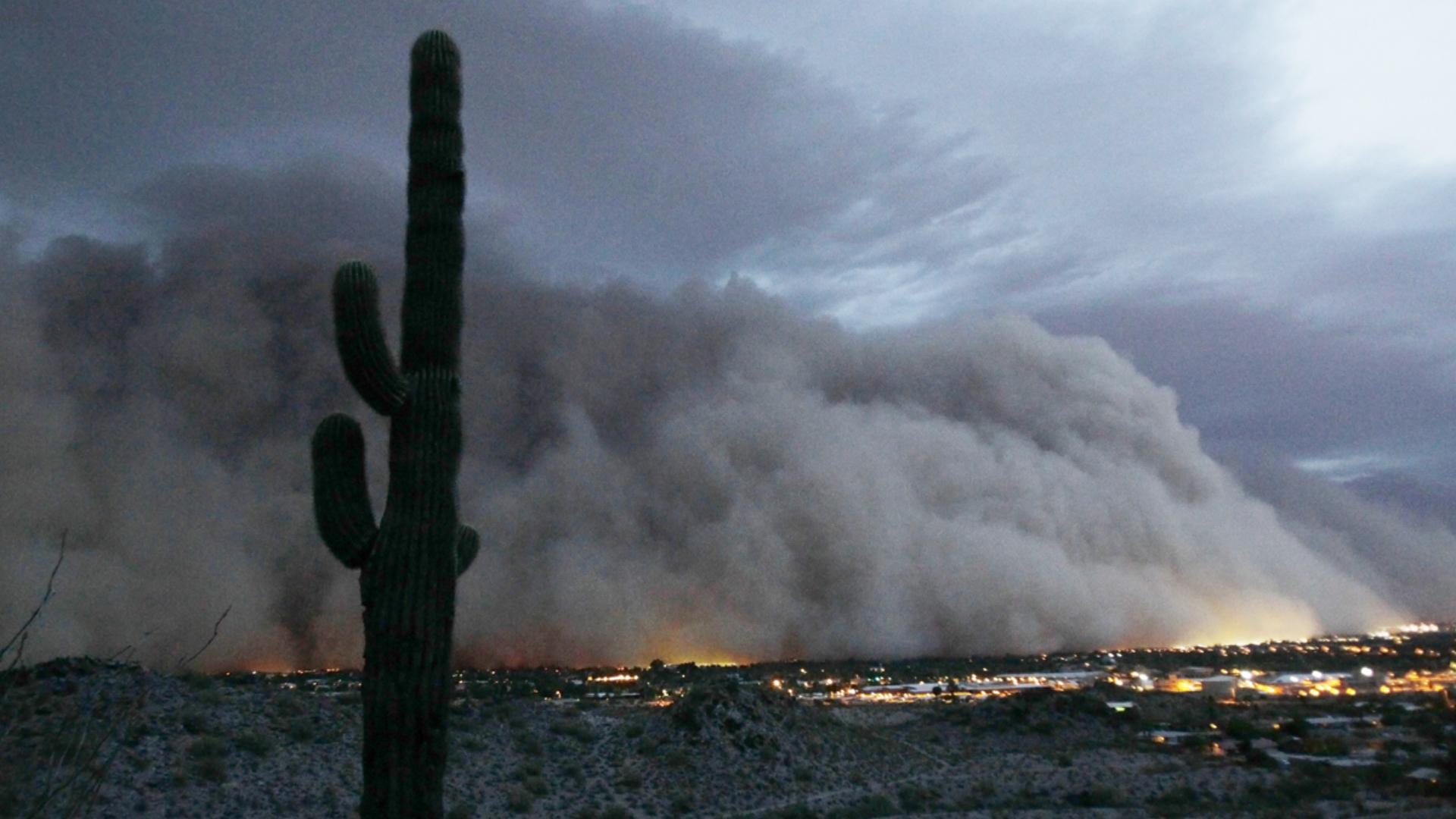
Arizona's most dramatic weather event is the haboob — a wall of dust driven by thunderstorm outflow winds that can reach 60 miles per hour, stretch 10,000 feet into the sky, and span over 100 miles of terrain, roughly the distance from Phoenix to Tucson. NOAA recorded roughly 100 haboobs across Arizona over a ten-year span.Monsoon season also brings brief but intense rainstorms, occasional flash flooding in low-lying areas, and microbursts. But here's the key word: temporary. Arizona's storms blow through, the sky clears, and life resumes. The structural damage to buildings is minimal compared to what the rest of the country absorbs on a routine basis.
What Other States Are Actually Dealing With
The contrast becomes clear when you look at what natural disasters cost in other major real estate markets.
In January 2025, the Los Angeles wildfires caused an estimated $112 billion in total economic damage — surpassing Hurricane Katrina as one of the costliest natural disasters in U.S. history. More than 16,000 structures were destroyed. A 2025 Forbes study on at-risk states ranks California among the top states for wildfire, flood, and overall disaster exposure — and that's before accounting for its persistent earthquake and tsunami risk along the coast.Minnesota faces a different kind of extreme. Winters regularly push wind chills to -30°F or colder, with blizzards that shut down highways for days at a time. Frozen pipes and heating failures aren't rare events — they're annual realities for homeowners and property managers alike. Spring brings its own threat: snowmelt flooding that has devastated communities in the Red River Valley repeatedly over the past two decades. Minnesota ranked among the top states for winter storm damage in NOAA's billion-dollar disaster index, and its weather window for outdoor construction and maintenance is compressed into just a few months a year — a cost that compounds quietly for real estate operators.Florida's hurricane exposure has turned into a full-blown insurance crisis. The state has been hit by four major hurricanes since 2021 — Ian, Idalia, Helene, and Milton. Hurricane Ian alone caused $113 billion in insured losses. Homeowners insurance premiums have climbed roughly 30% statewide since 2021, with some coastal areas now paying close to $10,000 per year just to insure a home.Arizona, by comparison, ranks 44th out of 50 states in WalletHub's study — 7th safest in the country. From 1980 to 2024, Arizona recorded 34 billion-dollar weather events, concentrated in drought and wildfire rather than the sudden catastrophic events that destroy structures overnight.
Why This Matters for Real Estate InvestorsNatural disaster risk isn't just a quality-of-life consideration — it's a financial one, and the damage runs deeper than what's visible on the surface. Research published this year shows that beyond direct property damage, natural disasters disrupt local economies, reduce household wealth, trigger out-migration, and cause businesses to default on leases — all of which erode real estate returns over time. In the most exposed markets, insurers aren't just raising premiums; they're withdrawing from entire zip codes, making properties effectively uninsurable and limiting mortgage availability in the process.Arizona doesn't have those problems. The monsoon rolls through, the dust settles, and the fundamentals stay intact. For multifamily investors, that kind of stability is worth more than it looks on paper — because the risk you're not taking on is just as important as the return you're chasing.
About the author
Neighborhood Ventures