
Phoenix Is Positioned to Lead the 2026 CRE Turnaround
Commercial real estate is shifting from "survive to '25" to active dealmaking, and Phoenix enters the 2026 cycle with more structural tailwinds than most major metros. Writing in Mile High CRE, TRE partner Amy Aldridge captures the mood: "the talk and walk now is forward-looking, specific and supported by signed letters of intent." The data behind that sentiment — a rebound in lending volume, a wall of maturing debt, and stabilizing space demand — sets up Phoenix as one of the cleanest places in the country to put capital to work in this cycle.
The Market Is Turning
After five years of deferred decisions, transaction activity is unfreezing. In markets like Denver, Q4 2025 was the first quarter of positive net office absorption since early 2022 — the kind of bottoming signal that typically precedes broader recovery, even when subsequent quarters wobble. Lenders are returning to the table, deal pipelines are rebuilding, and the consensus across the capital side of the industry is that transaction volume will climb meaningfully this year. Phoenix, with a deeper demand base than most peer metros, is poised to benefit disproportionately as that recovery broadens.
Population and Employer Growth Anchor Demand
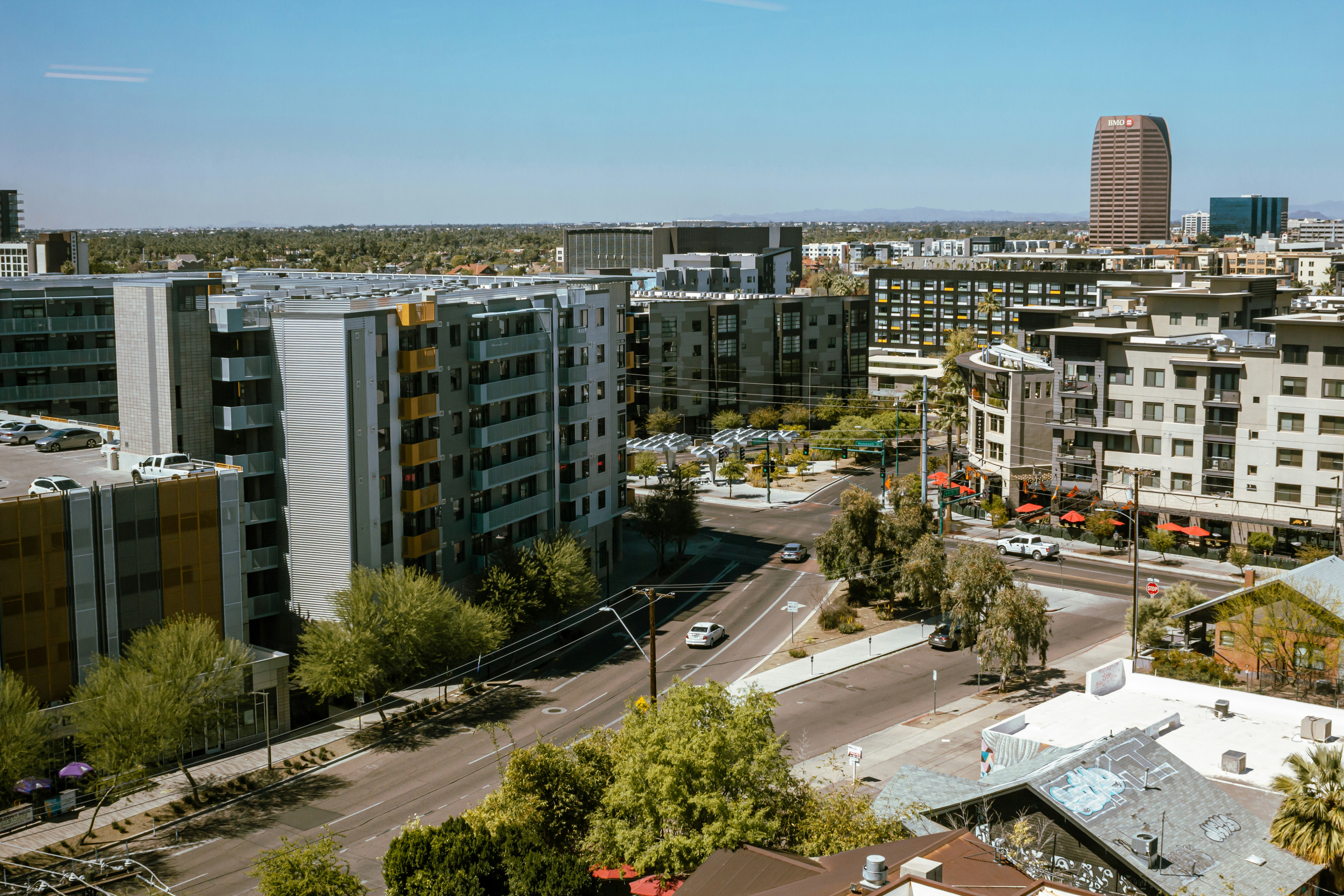
Phoenix remains one of the fastest-growing large metros in the country, and that growth gives it a demand floor most markets simply don't have. Continued corporate relocations and expansions — anchored by semiconductor investment, advanced manufacturing, and back-office growth — add long-term occupier depth across asset classes. Steady in-migration keeps workforce supply strong, which makes the Valley one of the more attractive places for employers committing to new space. Demand fundamentals here aren't borrowed from a cycle — they're structural.
Capital Is Moving Off the Sidelines
Lenders issued $125.6 billion in commercial mortgage-backed securities in 2025, a 21% jump and the highest CMBS volume since the Global Financial Crisis. Nearly $600 billion in commercial real estate debt is maturing through 2026, which means owners who have been waiting on better conditions will finally have to act. Phoenix's lower price basis relative to overpriced coastal markets makes it a high-yield target for institutional capital coming off the sidelines, and the metro's pro-business regulatory and tax environment continues to accelerate deal velocity once buyers and sellers agree on price.
Leasing Conditions Are Stabilizing
Hybrid work has settled into a 2-to-4-day-a-week pattern at most employers, and that consistency is finally giving tenants the certainty they need to commit to longer-term space. Concession packages — tenant improvement allowances, free rent, blend-and-extend terms — remain elevated but are beginning to compress as vacancy in the best assets tightens. High-quality, well-located properties in corridors like Scottsdale, Tempe, and Camelback are already seeing early leasing momentum, and that's typically where pricing power returns first.
The Bigger Picture
The combination of stabilizing space demand, returning capital, and durable population growth means Phoenix is set up to do more than recover in 2026 — it's set up to outperform peer markets through this next cycle. The maturity wall and the CMBS rebound force transactions; Phoenix's fundamentals attract the capital. That's a different setup than most of the country, where one half of that equation is usually missing.
For Neighborhood Ventures, this is exactly the kind of cycle pivot we've been positioned for. Improving liquidity, a forced transaction calendar from maturing debt, and a Phoenix demand base that doesn't depend on a single sector all favor disciplined multifamily buyers operating from a lower basis than the coastal alternatives. That's the kind of setup we want to be transacting in.
About the author
Neighborhood Ventures